




How to clean a sieving machine effectively?
 Dec 01, 2025|
 Hey there! As a sieving machine supplier, I know how crucial it is to keep your sieving machine in top - notch condition. A clean sieving machine not only ensures efficient operation but also extends its lifespan. So, let's dive into how to clean a sieving machine effectively.
Pre - cleaning Preparations
Before you start cleaning, it's essential to take a few safety precautions. First off, make sure the machine is turned off and unplugged. This might sound like a no - brainer, but you'd be surprised how many accidents happen because people forget this simple step. You don't want to get an unexpected shock or have the machine start up while you're cleaning it.
Next, gather all the necessary cleaning tools. You'll typically need a soft - bristle brush, a mild detergent, a clean cloth, and some compressed air if possible. The soft - bristle brush is great for getting into those hard - to - reach areas without scratching the machine's surface. A mild detergent will help break down any stubborn dirt or residue, and the clean cloth is for wiping everything down. Compressed air can be used to blow out any dust or debris from small crevices.
Disassembling the Sieving Machine
If your sieving machine allows for disassembly, it's a good idea to take it apart. This will give you better access to all the parts that need cleaning. However, make sure you keep track of all the parts and how they fit together. You can use a piece of paper to draw a simple diagram or take pictures with your phone. This way, you won't have any trouble putting the machine back together later.

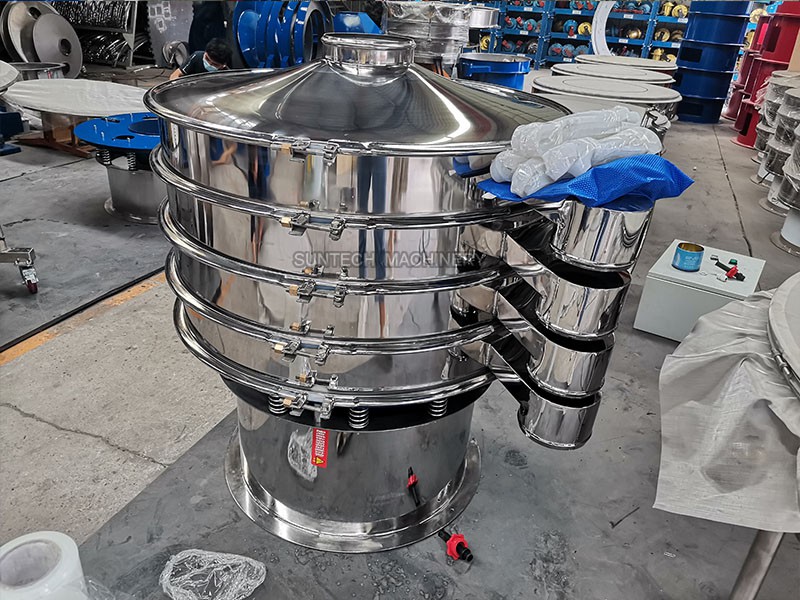
Start by removing the sieving mesh. This is the part that comes into direct contact with the material being sieved, so it's likely to get the dirtiest. Gently lift the mesh out of the machine, being careful not to damage it. You can then use the soft - bristle brush to remove any large particles stuck on the mesh. If there are still some stubborn residues, soak the mesh in a solution of mild detergent and warm water for about 15 - 20 minutes. After soaking, use the brush again to scrub away the remaining dirt, and then rinse it thoroughly with clean water.
Cleaning the Machine Body
Once the mesh is removed, it's time to clean the machine body. Use the soft - bristle brush to sweep away any loose dust or debris from the surface. Pay special attention to the corners and edges where dirt tends to accumulate. After brushing, dampen the clean cloth with the mild detergent solution and wipe down the entire machine body. Make sure to get into all the nooks and crannies.
For areas with more stubborn stains, you can use a bit more pressure when wiping, but be careful not to scratch the machine. If there are any parts that are particularly dirty, you can use a cotton swab dipped in the detergent solution to clean them. After wiping, use a dry cloth to remove any excess moisture.
Cleaning the Motor and Electrical Components
The motor and electrical components are the heart of the sieving machine, so you need to be extra careful when cleaning them. First, make sure they are completely dry before you start. Use compressed air to blow out any dust or debris from the motor and electrical connections. Be gentle when using the compressed air to avoid damaging any delicate parts.
If there are any visible dirt or stains on the motor housing, you can use a slightly damp cloth to wipe it down. However, make sure the cloth is not too wet, as water can damage the electrical components. After cleaning, let the motor and electrical parts dry completely before reassembling the machine.
Cleaning the Sieving Machine's Frame
The frame of the sieving machine also needs some attention. Use the soft - bristle brush to clean the frame, removing any dirt or rust spots. If there are rust spots, you can use a rust remover specifically designed for metal surfaces. Apply the rust remover according to the manufacturer's instructions, and then use the brush to scrub the area. After removing the rust, wipe the frame down with a clean cloth to remove any residue from the rust remover.
Reassembling the Sieving Machine
Once all the parts are clean and dry, it's time to put the sieving machine back together. Refer to your diagram or pictures to ensure that all the parts are installed correctly. Start by placing the sieving mesh back into the machine. Make sure it fits snugly and is properly aligned. Then, attach any other parts that you removed during disassembly.
After reassembling, give the machine a quick once - over to make sure everything looks good. Check that all the parts are securely fastened and that there are no loose connections. You can then plug the machine back in and turn it on for a short test run. Listen for any unusual noises or vibrations, which could indicate that something is not right.
Regular Maintenance and Cleaning Schedule
To keep your sieving machine in the best possible condition, it's important to establish a regular cleaning and maintenance schedule. How often you clean the machine will depend on how frequently it's used and the type of material being sieved. If you use the machine every day, you might want to clean it after each use or at least once a week. For less frequent use, a monthly cleaning should be sufficient.
In addition to regular cleaning, you should also perform some basic maintenance tasks. This includes checking the tightness of all the bolts and screws, lubricating any moving parts, and inspecting the electrical connections for any signs of wear or damage. By following a regular maintenance schedule, you can prevent many potential problems and ensure that your sieving machine continues to operate efficiently.
Recommended Sieving Machines
We offer a wide range of high - quality sieving machines, such as the Stainless Steel Rotary Vibrating Screen. This machine is made of stainless steel, which is not only durable but also easy to clean. It's perfect for a variety of industries, including food, chemical, and pharmaceutical.
Another great option is the Multi Deck Vibrating Screen Vibro Sieve Separator. This machine has multiple decks, allowing for more efficient sieving. It can separate different particle sizes in one go, making it a popular choice for many businesses.
If you're looking for a smaller sieving machine, the Diameter 800mm Rotary Vibrating Screen might be just what you need. It's compact and easy to operate, making it suitable for small - scale operations or laboratories.
Contact Us for Purchasing
If you're interested in our sieving machines or have any questions about cleaning or maintenance, don't hesitate to reach out. We're here to help you find the perfect sieving solution for your needs. Whether you're a small business or a large corporation, we have the right machine for you.
References
- General knowledge about sieving machine maintenance and cleaning from years of experience in the industry.
- Manufacturer's instructions and guidelines for various sieving machines.